Emergency Dental Care: How to Handle a Broken Tooth After Hours
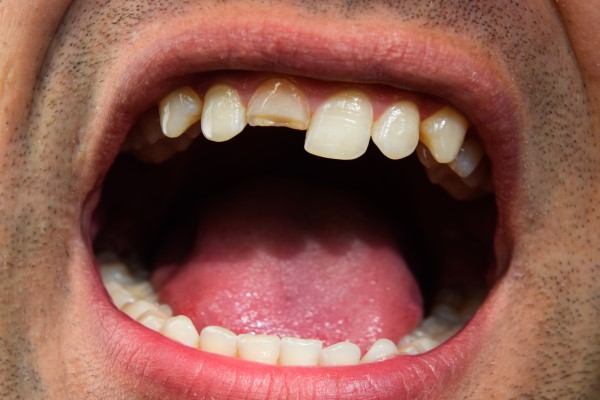
Breaking a tooth can be a frightening time for anyone, and not knowing whether to seek emergency dental care for the broken tooth or wait for the regular office to open can add to the stress. The good news is that broken teeth are often resilient and can usually be restored to their normal function, but to do so, you should be informed about the best steps to take.
When a tooth breaks, the first thing to do is identify whether the situation is an emergency, especially if the break happens outside of regular office hours. From there, you can either apply temporary measures or locate an emergency dentist near you.
What to do with a broken tooth
When a tooth breaks, assessing the situation quickly is priority number one. Not all broken teeth are an emergency, though all should be seen as soon as possible.
Identifying an emergency break
The first step after a tooth has broken is determining whether the break requires an emergency visit. If there is bleeding, the patient is in severe pain, or the break encompasses a large portion of the tooth, it is wise to seek emergency dental treatment.
Conversely, if a small chip is all that is missing and no other symptoms are present, it is often safe to wait until the dentist’s office opens the next day. Still, patients should not delay and should call as soon as the office opens.
What to do when a tooth breaks
Regardless of the severity of a tooth break, the patient must try to find any pieces of the teeth that have come loose, as these can often be reattached. Place any tooth fragments in the patient’s mouth (if they are not children who might be prone to swallowing them) or in a cup of milk to help preserve any living tissues until the dentist can properly reattach the pieces. Try not to touch the tooth pieces (or the exposed tooth area where it is still attached to the gums) more than necessary, to avoid introducing bacteria.
If the patient cannot find the pieces of the tooth or if they have been safely stored for transport, rinse the mouth with warm water to clear away bacteria from the vulnerable opening in the tooth. Do not eat using that tooth. If a person is experiencing pain, they can take acetaminophen to reduce their discomfort. However, they should not take aspirin because it can interfere with how the dentist may need to treat the break later.
If there is bleeding, use gauze or latex gloves to apply pressure and seek medical attention promptly. Try to avoid swallowing the blood, as it can prompt vomiting.
Seek emergency dental care for your broken tooth
A broken tooth is a severe dental situation that often requires emergency care. If you are experiencing a tooth break and need emergency dental treatment, or if you are not sure, do not hesitate to contact us. We can advise you on what to do next to preserve your tooth.
Request an appointment here: https://omaha.advancedendotherapy.com or call Advanced Endodontic Therapy at (402) 506-7111 for an appointment in our Omaha office.
Check out what others are saying about our dental services on Yelp: Dental Restorations in Omaha, NE.
Related Posts
Going to see the endodontist may cause you to feel some anxiety and nervousness. This is normal, as many people are apprehensive about going to the dentist’s office. But you can take comfort to know that this dental professional has the knowledge and training to treat serious tooth pain. This includes chipped teeth. There are…
Understanding a pulpectomy provides peace of mind for children facing the stress of a severe toothache or a deep internal infection that threatens a natural tooth. This specialized endodontic procedure focuses on removing diseased tissue from the inner chambers of a tooth to stop the spread of bacteria and alleviate persistent pain. By choosing to…
An endodontist can help to diagnose and treat tooth pain. Toothaches are your body’s way of letting you know something is wrong in your mouth. A minor toothache that goes away on its own is not something to be concerned about, but a toothache that keeps coming back is a clear sign a trip to…
An endodontist is a dentist who spends most of their time treating issues that primarily affect a tooth’s pulp chamber. These oral professionals spend most of their time performing root canals, a procedure used to save teeth that have been severely decayed or damaged. An endodontist can help to address oral issues like decay, damage…