How Your Dentist Can Fix a Broken Tooth
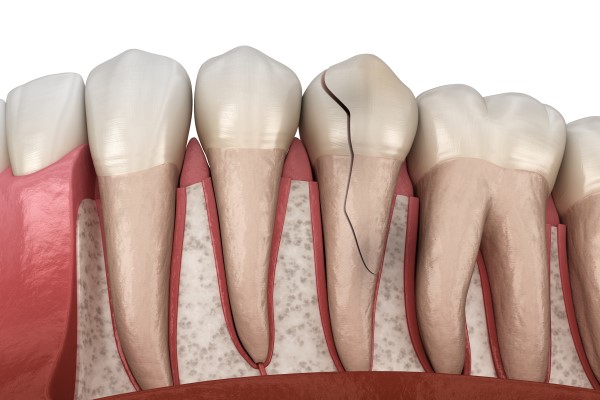
A broken tooth can happen to anyone. Unfortunately, all too often, it happens at the most inconvenient time. However, many times a dentist can save a broken tooth. Let us look at what to do for a broken tooth and how a dentist can help.
When is a broken tooth an emergency?
When someone breaks a tooth, they should first find any pieces of the teeth that have broken off and attend to first aid needs. If the broken tooth involves pain or bleeding, is knocked out entirely, or is significantly broken, it is a dental emergency. The patient should find an emergency dentist right away.
Serious maxillofacial injuries may require a trip to the emergency room. In addition to preserving the piece of tooth in milk, a patient should rinse their mouth with salt water. Cover any jagged edges in the mouth with sugarless gum or dental wax.
Fixing Broken Teeth
The dentist will examine the damage and determine treatment based on the severity. A dentist may treat minor enamel chips with fillings or dental bonding. Dental bonding is when a dentist uses ultraviolet light to bond composite resin to the tooth surface. Sometimes the dentist will use this technique in conjunction with reshaping the jagged parts of the tooth. For minor enamel chips to the tops of teeth, reshaping alone may be sufficient.
More extensive chips may require a dental onlay, inlay, or dental crown. A large break in the tooth is most likely to require a dental crown. This is especially true of breaks or cracks affecting the tooth pulp. If this has happened, the dentist may need to perform a root canal before covering the tooth with a crown.
If the tooth splits, it will likely need extraction. However, the dentist usually only turns to this as a last resort. Quickly getting to the dentist increases the chance of the tooth being saved and helps you avoid more invasive treatments. For minor chips and breaks, treatment can usually be finished in one dental appointment. Patients who need a crown will likely need two appointments to complete treatment.
Preventing dental damage
Not all broken teeth are avoidable, but there are steps you can take to make them less likely. First, avoid chewing on hard objects such as pens or ice. Next, wear a mouth guard and proper head protection if you are involved in high-contact athletics. Finally, healthy teeth are stronger teeth and less likely to break. Therefore, practice good oral hygiene by brushing and flossing regularly and seeing a dentist at least twice a year.
Broken tooth? We can help.
A broken tooth does not necessarily mean you will lose that tooth. This article has given you an overview of what to do if you crack or chip a tooth. It is good to have a plan ahead of time and know who you will call. Call us today to learn how our team can fix a broken tooth.
Request an appointment here:https://omaha.advancedendotherapy.com or call Advanced Endodontic Therapy at (402) 506-7111 for an appointment in our Omaha office.
Check out what others are saying about our dental services on Yelp: General Dentist in Omaha, NE.
Related Posts
For pain in your teeth, an endodontist is the right person to see for relief. This dentist focuses on the prevention, diagnosis, and treatment of infections that affect the nerve and roots of the tooth. Ignoring tooth pain or putting off an appointment can lead to further problems. To confirm that you have an abscessed…
Dentists often refer patients to an endodontist for root canal therapy to treat issues such as a tooth infection, dental abscess, severe tooth decay, and tooth damage. However, you can also visit an endodontist directly for diagnosis. This article highlights four signs that indicate a potential need for endodontic treatment.An endodontist can treat issues related…
An endodontist is a special kind of dentist who can treat damaged or diseased dental pulp. The pulp is the innermost layer of the tooth which consists of soft tissues, nerves, and blood vessels. An endodontist’s education goes beyond the four-year general dentistry program. The extra training that endodontists complete usually takes two to three…
If you experience sharp pain when eating something hot or cold, an endodontist may identify pulpitis as the culprit for such sensitivity. Pulpitis occurs when the dental pulp becomes inflamed, usually due to a cavity. Without treatment, the inflammation may result in an infection. The disease can cause an abscess in the tooth’s root. This…